
Why Wrestlemania 2000 Changed The Game Forever?
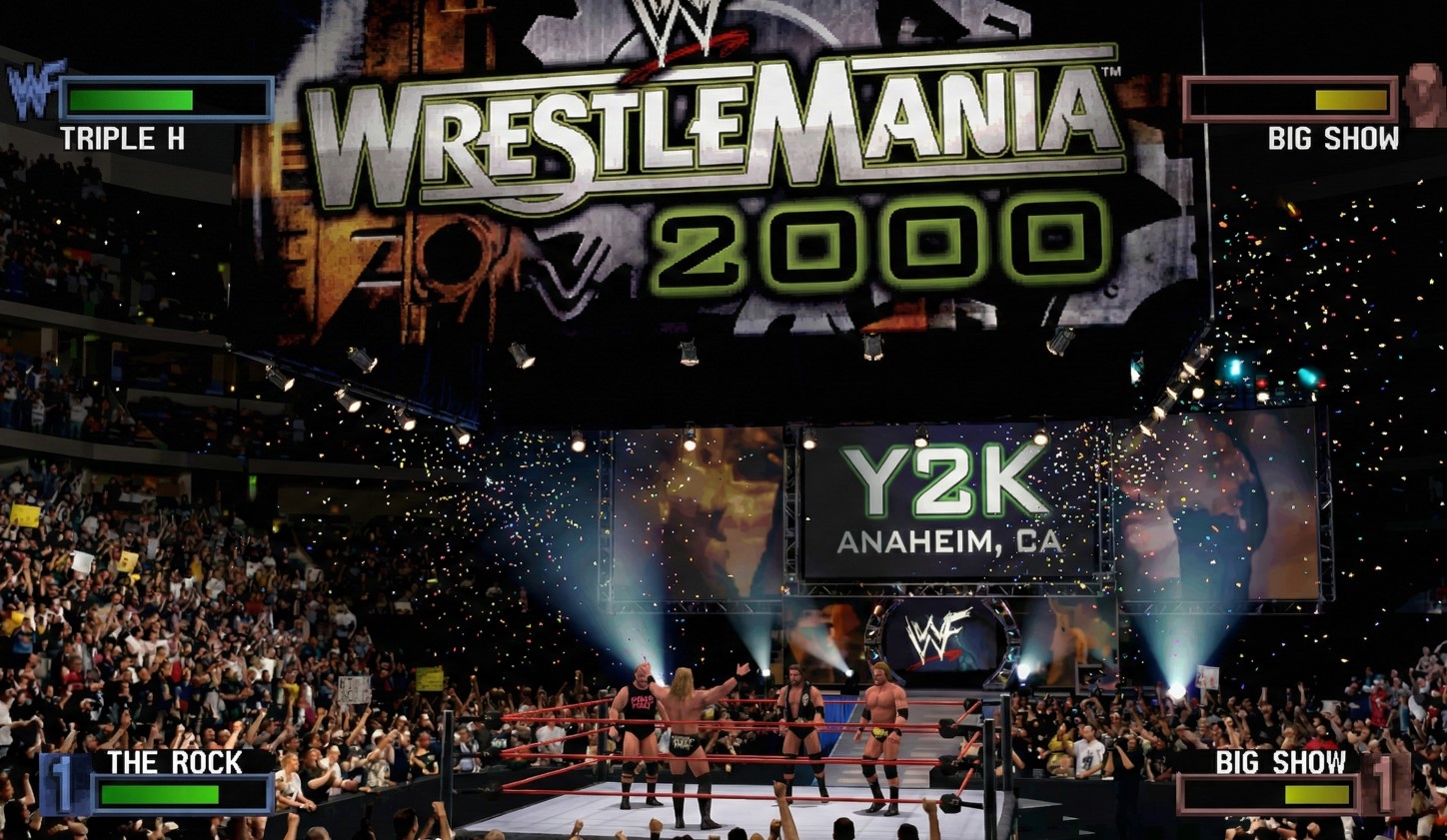
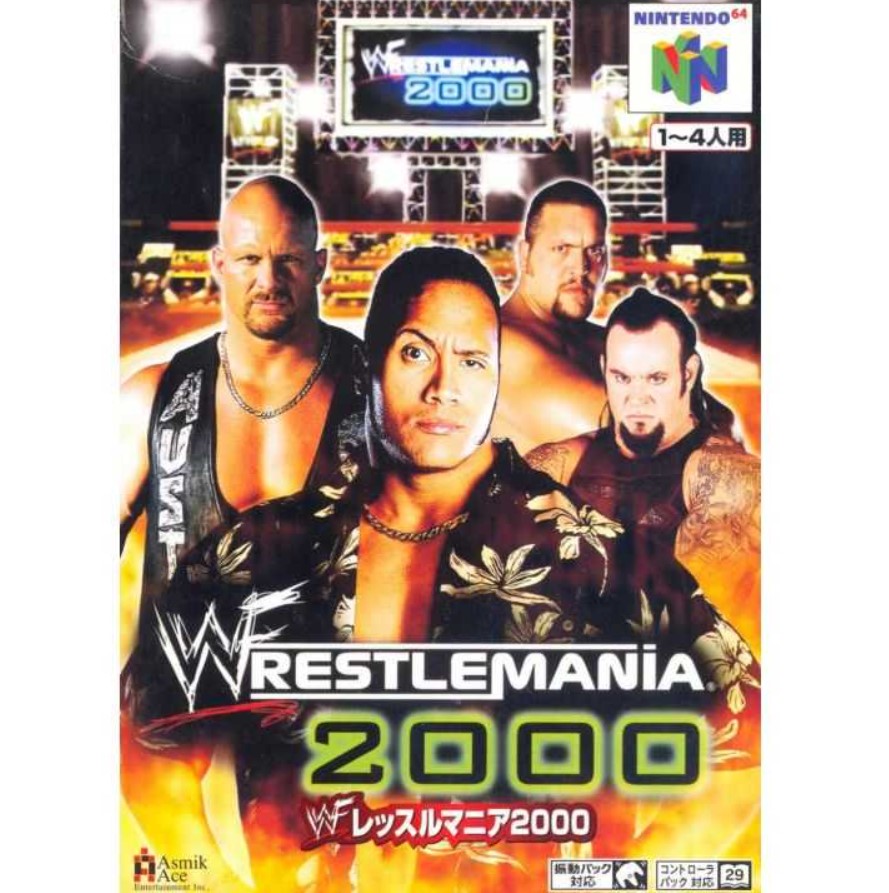
You know what? I still remember the smell of the rental store. That specific mix of old carpet and plastic cases. It was late 1999, and if you were a wrestling fan, life was good. The Attitude Era was in full swing. Stone Cold was stunning everyone, The Rock was raising eyebrows, and on the Nintendo 64, we were about to get something special. That something was the WWF Wrestlemania 2000 game.
Honestly, before this cartridge dropped, wrestling games were a mixed bag. We had War Zone and Attitude, which looked okay but played like you were trying to solve a math equation just to do a suplex. Button combinations were a nightmare. Then THQ and AKI corporation came along – the same folks who made WCW/nWo Revenge – and they just got it.
The thing is, going back to it now feels like stepping into a time machine. It’s not just about nostalgia, though that does heavy lifting. It’s about a game engine that understood flow. Momentum. Drama.
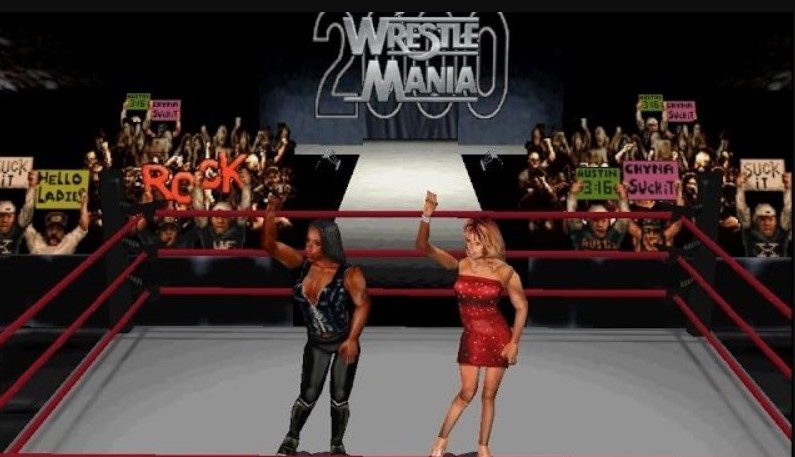
I hooked up my old N64 the other day – blew into the cartridge slot for good measure – and fired this bad boy up. And yeah, the polygons are blocky. The faces look a bit like melted candles. But the soul? It’s still there.
The Gameplay Loop of Wrestlemania 2000 That Hooked Us
Let’s talk about how this thing actually plays. If you never played an AKI wrestler, you missed out on the golden age. The control scheme was simple but deep. A weak tap of the grapple button gave you a light grapple; a hard press gave you a strong one. That’s it. No memorizing “Left, Down, Up, A, B” just to do a body slam.
It felt intuitive. You started a match with light moves, wearing your opponent down. As their spirit meter – usually flashing “SPECIAL” eventually – went up, you could pull off the big moves. It mimicked the pacing of a real TV match perfectly.
In Wrestlemania 2000, the reversals were the real game. Hitting the R button at the exact right millisecond to block a grapple, or L to dodge a strike. It created this back-and-forth rhythm. You know when you’re playing a fighting game and you just get into that zone? That flow state? This game had that in spades.
And the collision detection? For 1999, it was witchcraft. Arms didn’t just clip through bodies (well, mostly). When you hit a clothesline, it looked like it hurt. The sound effects were crunchy. That “thwack” of a steel chair? Perfection.
| Feature | Wrestlemania 2000 (AKI Engine) | WWF Attitude (Acclaim) |
| Grappling | Hold A for Strong, Tap A for Weak | Complex button combos (e.g., Left, Left, Up, B) |
| Reversals | Timing-based shoulder buttons | Button mashing guessing game |
| Flow | Momentum-based, builds slowly | Stiff, erratic animation speeds |
| Finishers | Flick the stick when “Special” flashes | More complex combos |
| Fun Factor | Immediate pick-up-and-play | High learning curve, low payoff |
The Fighter Roster in Wrestlemania 2000 Was Absolutely Stacked
This might be the best part. The roster in this game was ridiculous. We aren’t just talking about the main event guys like Triple H, Undertaker, or Kane. This game had everyone.
I mean, the Mean Street Posse was in there. Gillberg was in there. Do you remember Mosh and Thrasher? The Headbangers? They were in. It felt like a complete snapshot of the WWF at its peak popularity. It wasn’t just a “greatest hits” collection; it was the whole ecosystem.
Having such a deep roster meant you could simulate the actual TV shows. You could have a Hardcore title match with Al Snow and Boss Man, then move to a technical clinic with Jericho and Benoit (though Benoit wasn’t officially in this one, his moves were usually hidden in the create-a-wrestler, but more on that later).
What made the characters pop was the signature moves. The developers didn’t just copy-paste animations. The Rock’s punches looked like The Rock’s punches. Road Dogg’s shaky-legs knee drop was accurate. They captured the swagger. Even the way they walked to the ring – sure, the titantron videos were just blurry loops of static images – felt authentic.
But there was a catch. Some big names were missing due to licensing or timing, which always happens. But the sheer volume – over 50 wrestlers straight out of the box – made up for it.
Here are some of the hidden gems you could play as:
- Shawn Michaels: He was an unlockable legend, which was a huge deal back then since he was retired at the time.
- Cactus Jack: Unlocking the different faces of Foley was a ritual.
- Stephanie McMahon: Yes, you could put the boss’s daughter in a Hell in a Cell match.
The Creation Suite That Ate My Memory Card
Okay, we have to talk about this. If you owned Wrestlemania 2000, you probably owned a Controller Pak (the memory card). And this game probably filled the whole thing up.
The Create-A-Wrestler (CAW) mode was a beast. Before this, creating a character usually meant picking a head and a color of trunks. In Wrestlemania 2000, you could edit everything. Elbow pads, knee pads, masks, face paint, gloves. You could layer items.
I spent hours – honestly, maybe days – making my friends, movie characters, or wrestlers from other promotions. The sheer number of moves available was staggering. You could tweak the AI logic, too. You could tell the computer, “Hey, this guy is a high flyer, so he should climb the turnbuckle when the opponent is down.” Or “This guy is a brawler, make him use weapons.”
That level of customization extended to the costumes. You could edit the existing roster. Did The Rock wear a new shirt on Raw last night? You could go into the editor and make it. It gave the game infinite replay value because, as the real TV show evolved, your game could evolve with it.
It wasn’t perfect, though. The menu system was a bit slow. And saving took forever. But we didn’t care. We sat there, staring at the “Saving…” screen, knowing our masterpiece of a wrestler named “Dark Avenger” or whatever edgy name we came up with was being preserved.
The Road to Wrestlemania 2000 Mode
Here is where things get a little weird. The main single-player mode was called “Road to Wrestlemania.” Sounds epic, right?
Well, it was… interesting.
You picked a wrestler, and you played through a year of programming. But here’s the kicker: the game forced you to have a tag team partner. It didn’t matter if you were a lone wolf like Stone Cold. The game assigned you someone. Sometimes it made sense. Sometimes you got paired with someone totally random.
The plot was non-existent. It was just text on a screen. “You have a match against X.” But the grind was real. You had to win to unlock belts and hidden characters.
The difficulty curve was jagged. Early matches were a breeze. Then, suddenly, the computer would decide you were going to lose. They would reverse everything. Your partner – the AI-controlled idiot – would stand on the apron watching you get beat up. It was frustrating.
But it was also rewarding. Winning the Royal Rumble in the game felt like an achievement. The gauntlet matches where you had to beat three guys in a row? Brutal. But when you finally hit that finisher and got the three-count, the relief was genuine.
One cool thing was the belt system. You could actually defend the titles in exhibition mode. You could create your own Pay-Per-View events. This sandbox element is what kept us coming back. We didn’t play for the story; we played to make our own stories.
The Comparisons to No Mercy
Look, I can’t write about Wrestlemania 2000 without addressing the elephant in the room. WWF No Mercy.
No Mercy came out a year later. It is widely considered the best wrestling game ever made. And yeah, it improved on almost everything. The graphics were smoother, the roster was updated, and it had a better story mode with branching paths.
But Wrestlemania 2000 laid the foundation. Without this game, No Mercy doesn’t happen.
Also, there is a distinct vibe to Wrestlemania 2000 that feels different. It feels a bit faster, maybe? A bit more arcade-like? No Mercy slowed things down to be more simulation-heavy. Some people – myself included, on certain days – actually prefer the snappier feel of WM2000.
Plus, No Mercy had that nasty save-glitch on the early cartridges that erased all your data. Wrestlemania 2000 never did me dirty like that. It was reliable.
| Comparison Point | Wrestlemania 2000 | WWF No Mercy |
| Speed | Faster, more arcade-like | Slower, heavier simulation |
| Story Mode | Linear, long, forced tag-teams | Branching paths, deeper stories |
| Backstage Areas | None (fighting in the aisle only) | Full backstage brawling |
| Music | catchy, looping midis | weird “dig-dig-diggity” rap songs |
| Slowdown | Rare, even with 4 players | frequent lag in 4-player matches |
Wrestlemania 2000 – The Sound and Presentation
Let’s chat about the audio. The intro video! When you turned the game on, that grainy FMV (Full Motion Video) played, showcasing the best of the WWF. It got you hyped immediately.
The menu music in Wrestlemania 2000 is iconic. It’s this funky, bass-heavy loop that gets stuck in your head for twenty years. It’s not “good” music in the traditional sense, but it’s perfect menu music. It doesn’t distract you while you spend hours editing kneepads.
In the ring, there was no commentary. And honestly? That was for the best. Commentary in old sports games was usually repetitive garbage. Instead, we got background music during matches. Each wrestler had a midi version of their theme song. Hearing a 64-bit version of “Break it Down” or Stone Cold’s glass shatter was enough.
The crowd noise was basically a static hiss that got louder when big moves happened, but it worked. It communicated excitement. When you hit a finisher, the roar swelled. It gave you that dopamine hit.
Is Wrestlemania 2000 Worth Playing Today?
So, here we are in the 2020s. Why would you play this when WWE 2K exists with photorealistic graphics?
Because it’s fun. Pure and simple.
Modern games are obsessed with simulation. They have stamina bars, mini-games for kickouts, and complex physics. Sometimes it feels like work. Wrestlemania 2000 is a toy. It wants you to play with it.
There is a charm to the jankiness. When a wrestler’s head spins around 360 degrees because of a glitch, you laugh. When you knock the referee down, and he stays down for five minutes, allowing you to hit your opponent with a bell, it’s hilarious.
The multiplayer is where it still shines. Get three friends, order some pizza, and put this on. I guarantee you will be yelling at the screen within five minutes. The Royal Rumble mode supports up to 4 players simultaneously (with CPU filling the other spots), and it is absolute chaos. The framerate might dip, but the excitement doesn’t.
And let’s be real, the “Cage Match” in this game was a nightmare to win – climbing that cage took forever – but knocking your friend off the top onto the canvas was one of the most satisfying feelings in gaming history:
- The Nostalgia Factor: It instantly transports you back to the Monday Night Wars.
- The Simplicity: Anyone can pick up the controller and understand the basics in 30 seconds.
- The Customization: Even by today’s standards, the freedom to edit colors and costumes is impressive.
FAQ
What makes Wrestlemania 2000 different from WCW/nWo Revenge?
While both use the AKI engine, Wrestlemania 2000 added a full Create-A-Wrestler mode and the official WWF license, meaning real entrance music and videos.
Can you play as Shawn Michaels in Wrestlemania 2000?
Yes, he is an unlockable character. You have to win the WWF Championship in the Road to Wrestlemania mode to get him.
Does Wrestlemania 2000 have a backstage mode?
No, you can’t fight backstage in this one. That feature was added in the sequel, WWF No Mercy.
How do you unlock the different Dude Love or Cactus Jack faces?
It is based on unlocking Mick Foley. Once you have him, you can usually toggle his attire in the character selection screen or edit him in the CAW mode.
Is the “Road to Wrestlemania” mode multiplayer?
Sadly, no. The main story mode is single-player only, though the computer assigns you a tag partner for many matches.
Why is the cartridge for Wrestlemania 2000 red?
Actually, the cartridge is standard grey. You might be thinking of WWF No Mercy or WCW/nWo Revenge, but most WM2000 carts were standard grey in North America.
Can I use the Transfer Pak with this game?
Yes! You could transfer created wrestlers from the Game Boy Color version of the game to the N64 version, which was a neat little tech trick back then.
Final Thoughts on a Legend
Wrestlemania 2000 stands as a monument to a specific time in gaming and pop culture. It was the moment when technology finally caught up with ambition. It wasn’t just a wrestling game; it was a sandbox for wrestling fans.
It’s easy to dismiss old games as “dated.” And sure, graphically, it is. But the gameplay mechanics? The “Grapple System” created by AKI is still, in my opinion, the best wrestling control scheme ever devised. It captures the psychology of a match better than the hyper-realistic simulations we have now.
If you have an N64 collecting dust, or if you are into emulation, give it a go. Create a freak of nature in the CAW mode. Start a Royal Rumble. Listen to that funky bass line in the menu.
It’s not perfect. The Road to Wrestlemania mode is a grind. The lack of backstage areas is a bummer. But when you are in the ring, trading reversals, hoping your spirit meter hits “SPECIAL” before your opponent’s does, none of that matters.
Is it better than No Mercy? Probably not. But it’s the big brother that paved the way. It’s the game that proved wrestling could be done right on a console. And for that, it deserves all the respect.
If you played this back in the day, you know exactly what I’m talking about. If you didn’t, you missed the golden era. But hey, it’s never too late to jump off the top rope. And that’s the bottom line.