

What Isometric Games Actually Are
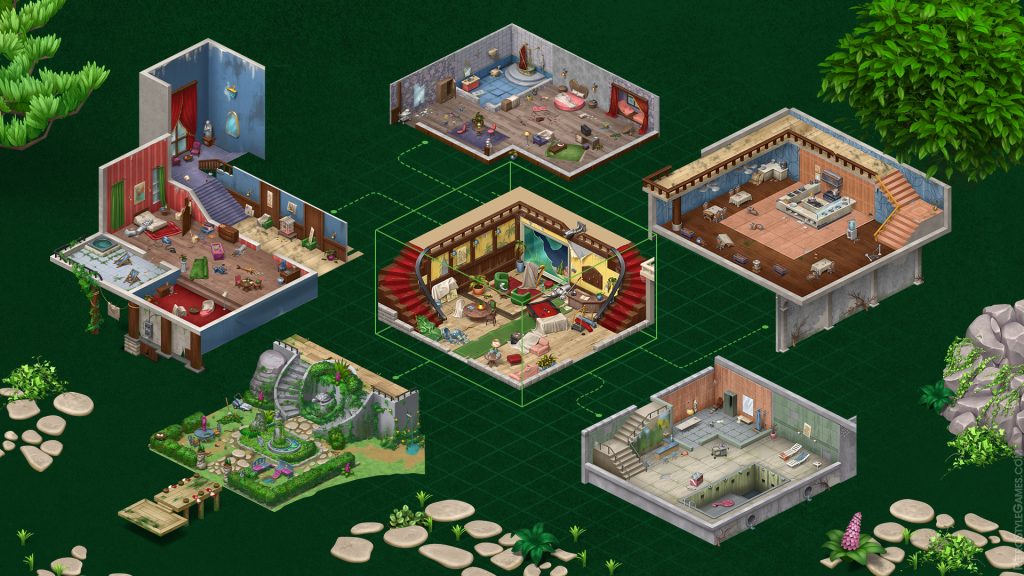
Okay, quick explanation. An isometric game isn’t fully 3D, but it’s not flat 2D either. The camera is tilted at an angle – usually around 30 or 45 degrees – which makes everything look like it has depth. It’s a clever trick. Back in the day, it let games look “3D” without the heavy graphics engines we have now.
Think SimCity 2000, Diablo, or Baldur’s Gate. You could see your character, enemies, and environment all at once. That view gave you control – you knew exactly what was happening without spinning the camera every two seconds. Even now, that clarity is hard to beat.
Why We Still Love This Style
There’s something deeply satisfying about how isometric games feel. Maybe it’s the clean perspective. Maybe it’s nostalgia. But honestly, it’s probably both. When you play something like Hades or Pillars of Eternity, that diagonal layout just makes sense – you can see enemies, loot, and the environment without chaos. You’re in control, not fighting the camera.
And the nostalgia part? It’s real. If you grew up playing old-school strategy or RPGs, this perspective feels like home. But it’s not just about memories – modern devs use it because it still works. You can focus on gameplay, story, or tactics instead of fancy angles.
Where Isometric Games Shine
The cool thing is, isometric isn’t a genre. It’s a visual choice that fits into tons of game types. Some developers use it for storytelling, others for strategy. Here’s how it plays out across different genres:
| Genre | Example Titles | Why It Works |
|---|---|---|
| RPG | Baldur’s Gate 3, Pillars of Eternity, Disco Elysium | You can see the whole party and environment clearly while making tactical choices. |
| Strategy | XCOM, StarCraft, Age of Empires | Perfect view for managing bases, units, and enemies. |
| Simulation | SimCity, Prison Architect | Gives an overview that feels satisfying and easy to manage. |
| Action / Adventure | Hades, Bastion, The Ascent | Lets players focus on combat flow instead of wrestling with the camera. |
It’s hard to find another style that fits this many genres so naturally. That’s why devs – from tiny indie teams to AAA studios – keep using it.
Modern Isometric Games That Prove It Still Works
Over the last few years, we’ve seen a quiet comeback. Indie developers especially love this look because it’s stylish but practical. Here are a few modern titles that nailed it:
| Game | Developer | What Makes It Great |
|---|---|---|
| Hades | Supergiant Games | Fast, fluid, and beautiful – proof that isometric can feel modern and cinematic. |
| Disco Elysium | ZA/UM | Incredible writing with a perspective that keeps the focus on story and emotion. |
| Wasteland 3 | inXile Entertainment | Turn-based combat and solid world-building – old-school design done right. |
| The Ascent | Neon Giant | Cyberpunk chaos with flashy visuals and twin-stick combat that feels satisfying. |
Notice something? Each of these games looks different, but they all use the same basic setup – tilted view, smart composition, easy readability. It’s flexible, timeless, and surprisingly immersive when done right.
Why Developers Keep Coming Back
Simple answer: balance. Isometric games offer the perfect mix of visual clarity and design control. You get to show a lot of the world without overcomplicating things. Players never get lost or frustrated by bad camera angles.
And yeah, it looks cool. The angled architecture, the layered environments, the symmetry – it gives a game a unique personality. Even with all the 3D engines out there, this style just feels artistic and clean.
If You’re New to Isometric Games
At first, it might feel weird if you’re used to first-person or over-the-shoulder games. But stick with it – the perspective starts to feel natural fast. A few quick tips:
- Don’t fight the camera – it’s designed for clarity, not realism.
- Use zoom if the game offers it; sometimes details hide in plain sight.
- Take your time exploring. Isometric levels often have little secrets tucked in corners.
- Try different genres – an RPG feels very different from a strategy game, even in the same view.
Once you get used to it, you’ll realize why developers love it. You see more, plan better, and feel in control. It’s like managing chaos – but from a comfortable distance.
Where It’s Headed Next
With new engines and lighting tools, isometric visuals are looking sharper than ever. We’re seeing games blend the old perspective with modern effects – real shadows, dynamic weather, even partial 3D layers. It’s a great mix of nostalgia and innovation without losing the charm.
And players are here for it. There’s always room for clean, focused design in a world obsessed with realism. The isometric look gives just enough distance to think, but still keeps you emotionally in the game.
Final Thoughts
When you really think about it, isometric games are the perfect middle ground. They show you enough to plan smart moves but still leave some mystery. They’re organized, stylish, and somehow comforting. Whether you’re managing a city, sneaking through enemies, or building an empire, that slanted camera view just makes sense.
So next time you fire up a new game, don’t skip it just because it looks old-school. Isometric might not be flashy, but it’s still one of the smartest, most reliable ways to tell a story or build a world – and it’s not going anywhere anytime soon.